

I. PET Bottle Recycling: Core Prospects and Advantages
(I) Recycling Prospects
(II) Recycling Advantages
- Environmental benefits: Recycling one tonne of PET saves 7.4 barrels of oil and reduces carbon emissions by 6 tonnes, supporting the “dual carbon” goals.
- Economic benefits: All links in the industrial chain are profitable. Ordinary recycled pellets are priced at around 6,000 yuan per tonne, while food-grade pellets reach 8,000 yuan per tonne, supported by national policies.
- Resource benefits: PET exhibits stable recyclability and can be reused repeatedly, replacing virgin materials to lower downstream costs.
II. PET Bottle Recycling Machine: Detailed Operational Process
-
Unpacking and Pre-treatment
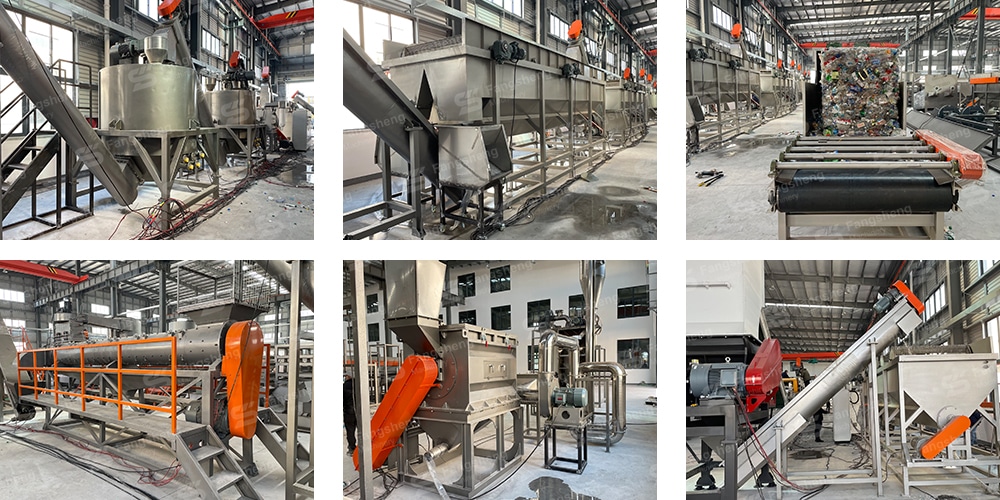
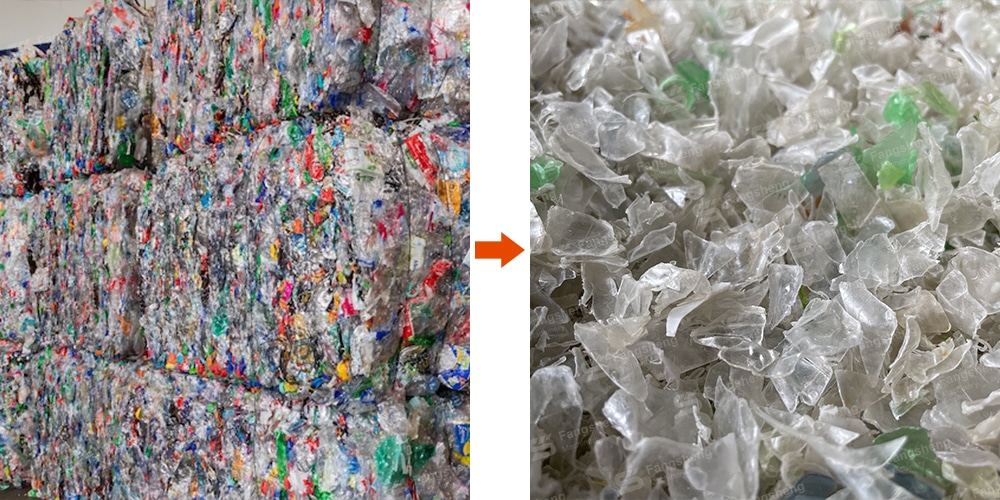
Most recycled waste PET bottles arrive as compressed bales. They are first unpacked by dedicated equipment, then sorted manually or via automated sorting stations to remove impurities such as stones, metals, and non-PET materials, as well as severely damaged bottles.
-
Label Removal
PET bottles are often labeled with PVC or paper stickers, which reduce the purity of recycled materials. A label remover uses high-speed rotating blades and a main shaft to strip labels from bottles, which are then collected by a suction separator. Bottles without labels can skip this step to improve efficiency.
-
Shredding
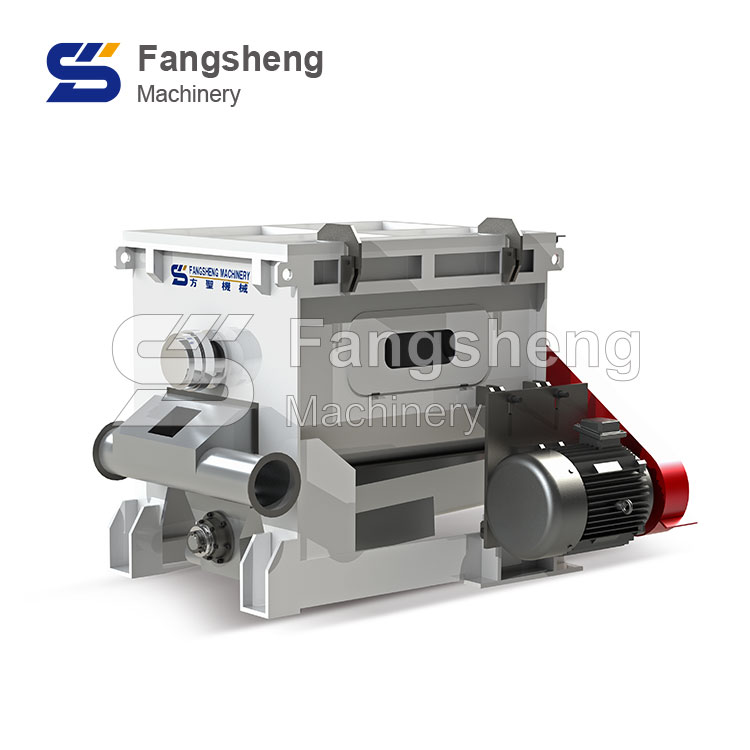
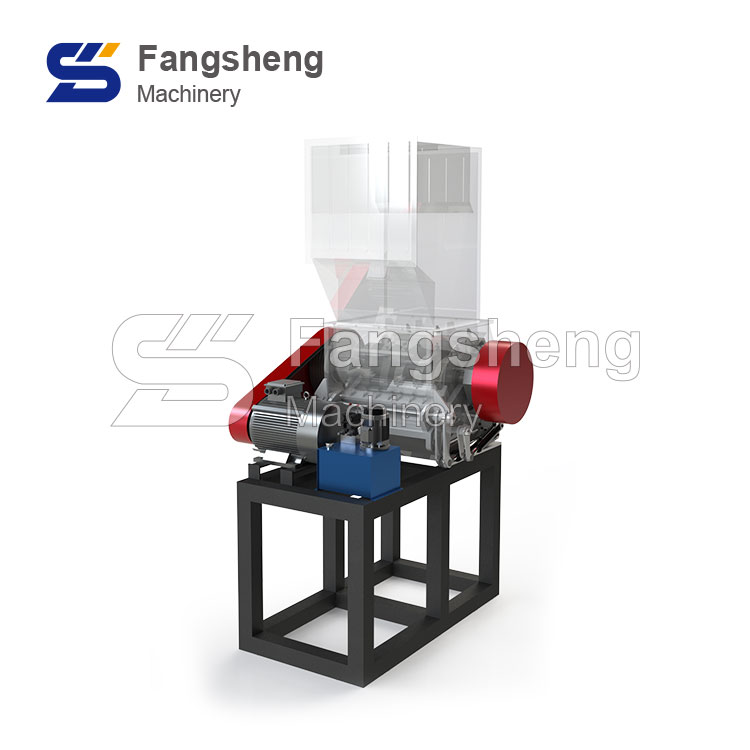
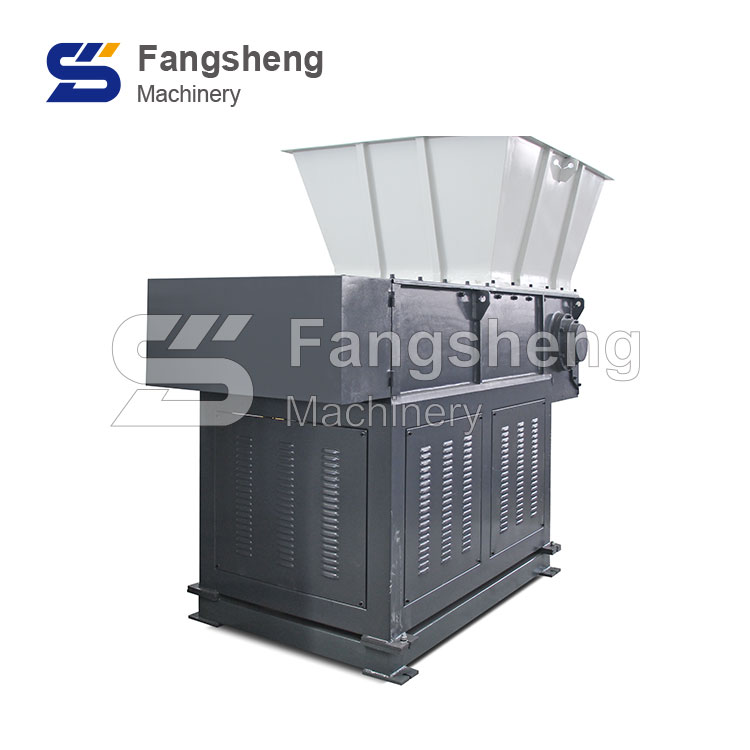
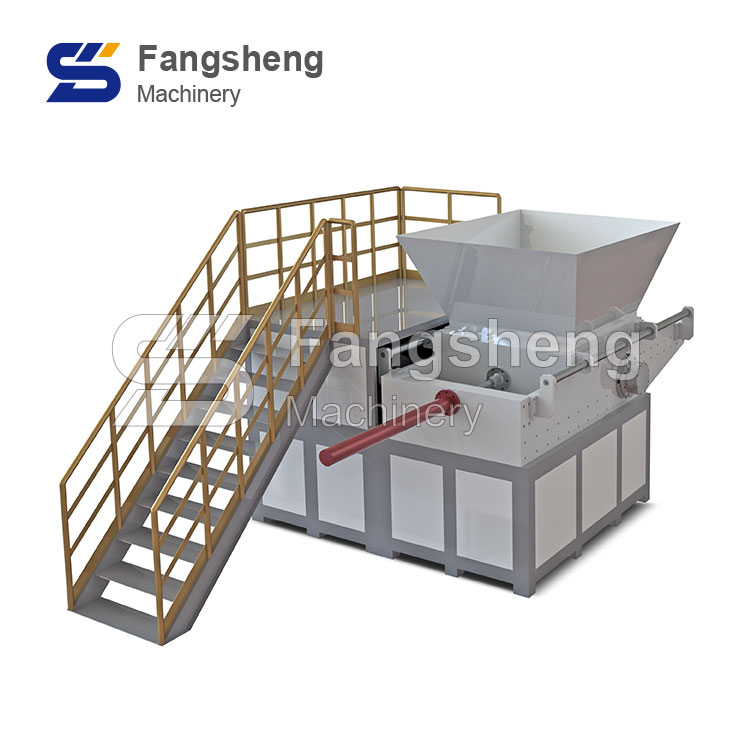
Whole PET bottles after label removal are too bulky for further cleaning and are fed into a shredder. Equipped with adjustable blades, the shredder cuts bottles into uniform flakes of 14–16 mm.
-
Separation and Sorting
Shredded flakes still contain impurities such as PP/PE bottle caps. A sink-float separation method is applied: flakes are sent to a dedicated water tank, where denser PET sinks while lighter PP/PE floats and is collected separately. For grading, a color sorter can be added to separate flakes by color, enhancing product added value.
- Multi-stage WashingThis core step ensures flake purity of ≥95% through three efficient stages:Pre-washing, Main washing,Rinsing.
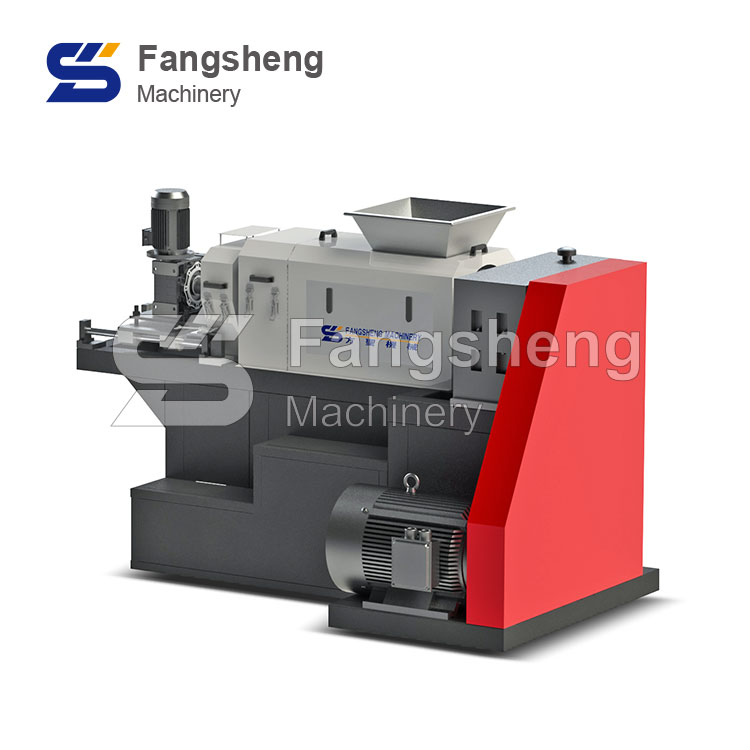
- Dewatering, Drying and BaggingWashed flakes are processed in a horizontal or cyclone dewatering machine to quickly remove surface free water. Dried flakes are conveyed to silos and automatically bagged.